Like many of you, I spend hours staring at screens every day. Whether it's for work, browsing, or just unwinding, my eyes definitely feel the strain. I've been on a quest to find the best ways to protect my vision and reduce eye fatigue. I want to share what I've learned and what has worked for me. So, let's dive in!
I started noticing my eyes feeling tired and dry after long days at my computer. It was more than just fatigue; it was a burning sensation that made it hard to focus. I knew I had to do something before it got worse. I even considered consulting an eye doctor. I started researching online, looking for solutions and tips that could help me alleviate my discomfort. It felt like I was constantly battling blurry vision and headaches. I started paying close attention to my screen time habits and the impact they were having on my eyes.
One of the first things I tried was the 20-20-20 rule. I learned about it online and decided to give it a shot. The idea is simple: every 20 minutes, look at something 20 feet away for 20 seconds. It sounds almost too easy, but I was surprised at how effective it was. I set a timer on my phone to remind me, and I made it a habit to glance out the window or across the room regularly. This simple practice has made a noticeable difference in reducing eye strain.
I also realized that I wasn't blinking enough. When I'm focused on my screen, I tend to forget to blink, which leads to dryness and irritation. I started consciously reminding myself to blink more often. Sometimes, I would even close my eyes for a few seconds to give them a break. I've found that washing my face with cold water also helps to refresh my eyes and reduce that burning feeling. It's a quick and easy way to provide some relief.
Sleep is another crucial factor. I noticed that my eyes felt much worse when I was sleep-deprived. Getting enough sleep allows my eyes to rest and recover. I try to aim for at least 7-8 hours of sleep each night. It's not always easy, but it makes a big difference in how my eyes feel during the day.
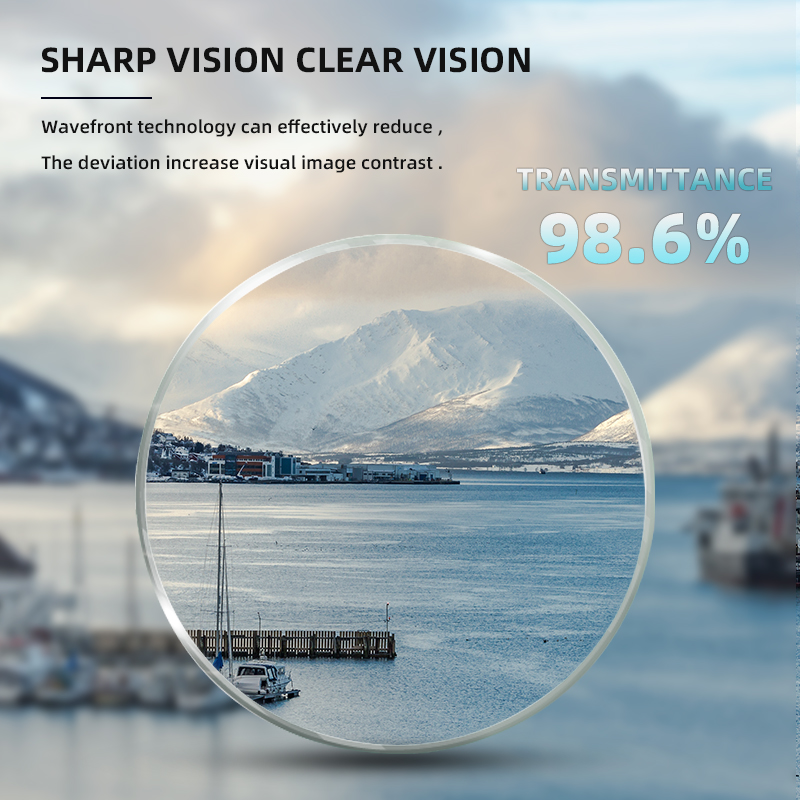
Another thing I explored was blue light glasses. I was initially skeptical, but I decided to try them out. I came across Mozaer and their selection of best reading glasses for computer. I ended up purchasing a pair of their Reading Anti Blue Light 1.56 lenses. Specifically, I chose the Reading Anti Blue Light 1.56 1.61 1.67 Prescription CR-39 Resin Aspheric Glasses Lenses Myopia Hyperopia Presbyopia Mirror Change Color-1.56. I was drawn to the aspheric design and the promise of blue light protection.
To be honest, I was worried about whether they would really work. After wearing them for a few weeks, I have to say that I've noticed a difference. My eyes feel less strained, and I don't experience as many headaches. I also appreciate that they are lightweight and comfortable to wear. It's definitely been a worthwhile investment. The quality of vision with these lenses is great, and they seem to reduce the glare from my computer screen. It feels like my eyes are more relaxed, even after long hours of work.
I also made a conscious effort to avoid staring at the screen in a dark room. The contrast between the bright screen and the dark surroundings can be very harsh on the eyes. I try to make sure that I have adequate lighting in my workspace. This helps to reduce eye strain and makes it easier to focus on my work.
Finally, I make sure to get outside and get some fresh air. Spending time outdoors allows my eyes to focus on distant objects and relax. It's a great way to break up the monotony of screen time and give my eyes a much-needed break. Even a short walk can make a big difference.
Here are some practical tips that I've found helpful in caring for my eyes after prolonged screen time: