For years, I struggled with blurry vision. It felt like I was constantly squinting, missing out on the details of the world around me. The big question was always: glasses or contacts? It's a decision many of us face, and finding the right answer can significantly impact our daily lives. I'm excited to share my own journey, the challenges I encountered, and the solutions I discovered along the way.
My vision problems really started to impact my life. Simple things like reading a menu or watching a movie became a struggle. I remember the first time I realized how bad it had gotten – I couldn't even read the street signs from a reasonable distance! It was frustrating and, frankly, a little scary. I knew I needed to do something about it.
The first hurdle was affordability. For a long time, I was stuck with an old, broken pair of glasses. They were scratched and ill-fitting, but they were all I had. I needed them all the time, or I could barely see anything. It was a difficult period, constantly worrying about breaking them further.
Then came the question of comfort. I tried contacts a few times, but my eyes just didn't seem to agree with them. I found them irritating, and for some reason, I couldn't see clearly at a reading distance when I wore them. It was like I was trading one problem for another. I was also hesitant about touching my own eyes, which made the whole process even more daunting.
Even when I had glasses, I felt self-conscious. After wearing them for so long, my face felt weird without them. Looking in the mirror felt strange; it was like something was missing. I know it sounds silly, but it was a real concern for me.
Another issue I faced was astigmatism. As my astigmatism got worse, contacts didn't provide the same clarity as glasses. It felt like I was constantly compromising on my vision, never quite achieving the sharpness I craved.
Determined to find a solution, I started exploring different options. I considered LASIK, especially after hearing a friend rave about their experience. He was active and glasses always fell off, but after LASIK, it was the best decision he ever made. He said the procedure wasn't bad at all, and I was intrigued. It's definitely something I'm keeping in mind for the future.
In the meantime, I've found that having both glasses and contacts can be beneficial. I use contacts when I'm working out or spending time outdoors on sunny days. They provide a wider field of vision and stay in place during physical activity. However, when I'm at home on a cloudy day, I prefer glasses. They're more comfortable for extended periods, and I don't have to worry about cleaning and storing them.
As I've gotten older, my eyes have changed. With contacts, I now need readers. It almost feels like I'm wearing glasses all the time anyway! That's why I've started looking into specialized reading glasses, especially those designed to reduce eye strain.
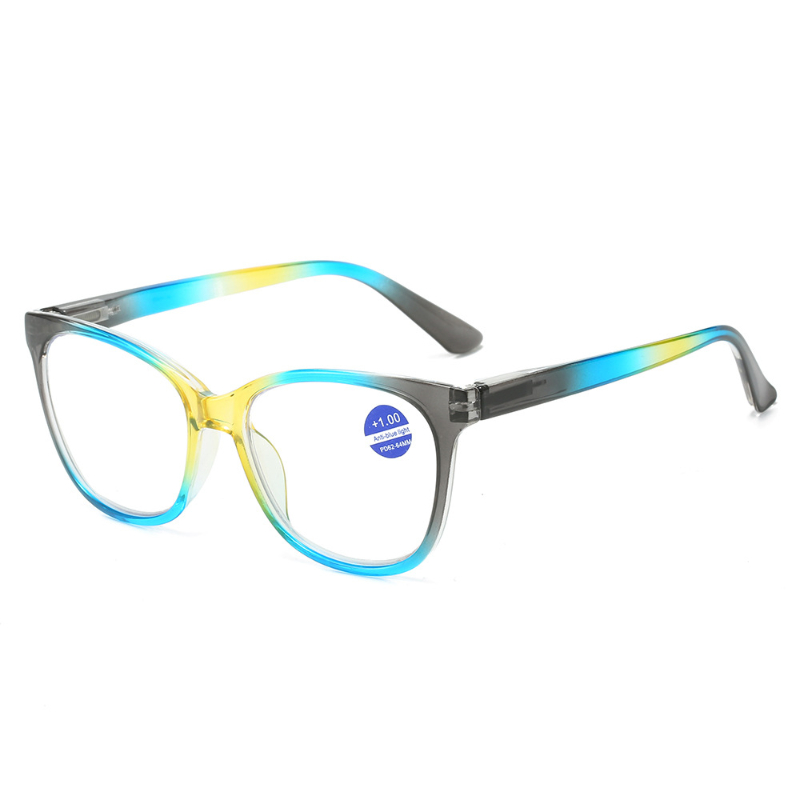
I recently discovered Mozaer's homepage and their range of eyewear. I was particularly intrigued by their Anti Blue Light Presbyopia Glasses. Since I spend a lot of time in front of screens, I thought they might help reduce eye strain and improve my reading experience. I decided to give them a try, and I'm pleasantly surprised by the results.
The high-definition lenses really do make a difference, and the large frame is surprisingly comfortable. It doesn't feel like I'm wearing typical reading glasses, which is a nice change. I've noticed a significant reduction in eye fatigue, especially after long hours of working on the computer. These glasses from Mozaer are a game changer for reducing eye strain.
Choosing between glasses and contacts is a personal decision, but here are some factors to consider: